Choosing the Right Range Hood Inserts: A Comparison of Styles and Features
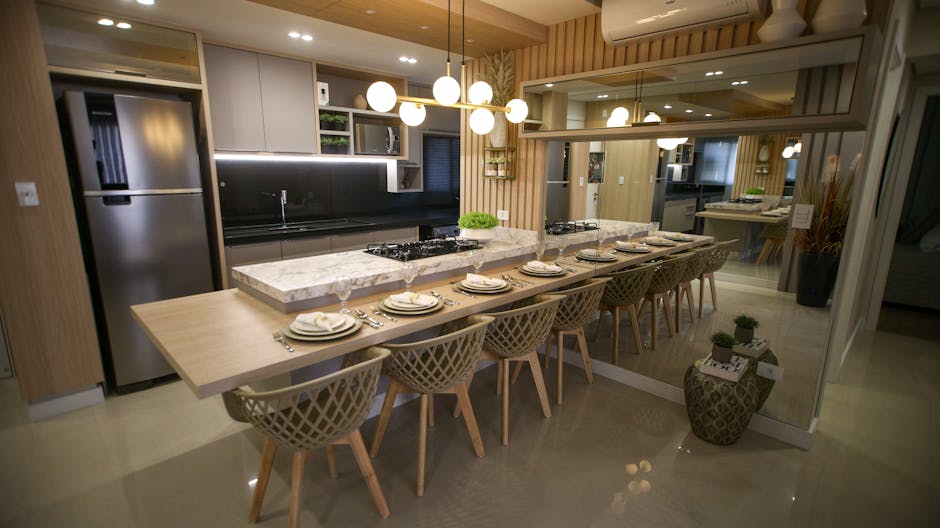
Range hood inserts are an essential component of modern kitchens, playing a crucial role in maintaining air quality while cooking. As the culinary landscape continues to evolve, homeowners are increasingly turning to these versatile appliances for their functionality and aesthetic appeal. With various styles and features available, selecting the right range hood insert can significantly enhance both your cooking experience and kitchen design. This article explores the different types of range hood inserts, their key features, and factors to consider when making a decision.
Understanding Range Hood Inserts
Range hood inserts are designed to be installed within cabinetry or custom-built hoods, offering a seamless look that blends with the kitchen’s decor. Unlike traditional range hoods, which are more visible, inserts provide a sleek and modern solution for those looking to optimize space while maintaining an elegant appearance. This type of hood is particularly popular in contemporary kitchen designs, where clean lines and minimalist aesthetics are favored.
Types of Range Hood Inserts
When it comes to range hood inserts, several styles cater to different kitchen designs and cooking methods. Here are the most common types:
- Wall-Mounted Inserts: These are designed to fit into the wall cabinetry above the stove. They are ideal for kitchens with limited overhead space, allowing homeowners to create a streamlined appearance.
- Under-Cabinet Inserts: These range hood inserts are mounted under kitchen cabinets, providing ventilation without taking up additional space. They are suitable for smaller kitchens or those with lower ceilings.
- Custom Inserts: For those who want a truly unique look, custom range hood inserts can be designed to match the specific dimensions and style of the kitchen. This option allows for personalization, ensuring the insert complements the overall decor.
Key Features to Consider
When choosing the right range hood insert, it’s essential to evaluate various features that can impact functionality and aesthetics. Here are some of the most significant aspects to consider:
Ventilation Options
Range hood inserts typically offer two primary ventilation options: ducted and ductless. Ducted models expel air outside, making them the most effective for removing smoke, odors, and grease from the kitchen. Ductless options, on the other hand, filter the air using charcoal filters and recirculate it back into the kitchen. This option is ideal for apartments or homes where external venting is not feasible.
Noise Levels
Noise levels can vary significantly among different range hood inserts. Look for models with sound ratings specified in sones, which measure how loud the unit operates. Generally, a lower sone rating indicates a quieter operation. For those who frequently cook at high heat or for extended periods, selecting a quieter model can enhance the overall cooking experience.
Filters and Maintenance
The type and quality of filters used in range hood inserts can affect efficiency and maintenance. Some models come equipped with baffle or mesh filters, which are easier to clean and have a longer lifespan compared to traditional filters. Regular maintenance is essential to keep the insert functioning effectively, so consider models that allow for easy filter replacement and cleaning.
Materials and Finish Options
The materials and finishes of range hood inserts can significantly influence both their durability and appearance. Common materials include stainless steel, which is known for its resistance to corrosion and ease of cleaning. Other options include copper and brass, which can provide a distinctive aesthetic but may require more upkeep to maintain their appearance.
Additionally, finishes such as matte, polished, or brushed stainless steel can further customize the insert’s look to match your kitchen decor. When selecting a material and finish, consider the overall style of your kitchen and the maintenance requirements associated with each option.
Installation Considerations
Installing a range hood insert typically requires professional assistance, especially for ducted models that involve ventilation ductwork. Homeowners should also consider the height at which the insert is installed above the cooking surface. Generally, the recommended height is between 24 to 30 inches for optimal performance. Ensuring proper installation and positioning will maximize the insert’s efficiency in removing airborne particles and odors.
Budgeting for Your Range Hood Insert
The cost of range hood inserts can vary widely based on style, features, and materials. Basic models may start at a few hundred dollars, while high-end custom options can reach several thousand. It’s crucial to balance quality and budget; investing in a reliable range hood insert can pay off in terms of efficiency and longevity. For those looking to explore a range of options, consider checking out range hood inserts to find the perfect fit for your kitchen.
Conclusion
Choosing the right range hood insert is a vital decision for any homeowner looking to enhance their kitchen’s functionality and appearance. By understanding the various styles, features, and materials available, you can make an informed choice that meets your culinary needs and complements your kitchen design. Whether you opt for a sleek ducted model or a versatile ductless option, a well-selected range hood insert will contribute to a cleaner, more enjoyable cooking environment.